A multi-agent system (MAS) is a coordinated group of specialized AI agents that work together toward a shared goal, passing context, delegating subtasks, and merging results into a final artifact. Instead of one generalist assistant, a MAS mirrors a team: each agent has a role, tools, and constraints, and the system orchestrates their interaction. This approach avoids the "Siri trap"—expecting one assistant to do everything—by pairing specialization with collaboration (see The Siri Trap).
Why Specialization Beats a Single Assistant
Generalist assistants struggle with long tasks, conflicting objectives, or mixed domains (e.g., finance + legal + scheduling). Specialization lets each agent optimize for a narrower context window, tool set, and evaluation metric. When orchestrated well, the system delivers higher accuracy, faster turnaround through parallelism, and clearer accountability because each subtask has an owner.
Core Patterns in Multi-Agent Systems
- Delegation. A primary agent breaks work into subtasks and assigns them to specialists (researcher, writer, analyst).
- Parallel execution. Independent subtasks run concurrently—e.g., one agent scrapes sources while another drafts summaries.
- Pipelines. Outputs flow in sequence: researcher → summarizer → reviewer → publisher. Each step enforces quality gates.
- Consensus or debate. Multiple agents propose answers; a judge agent selects or synthesizes the best option.
- Tool routing. The orchestrator routes tool calls to the agent with the right permissions and context, preventing scope creep.
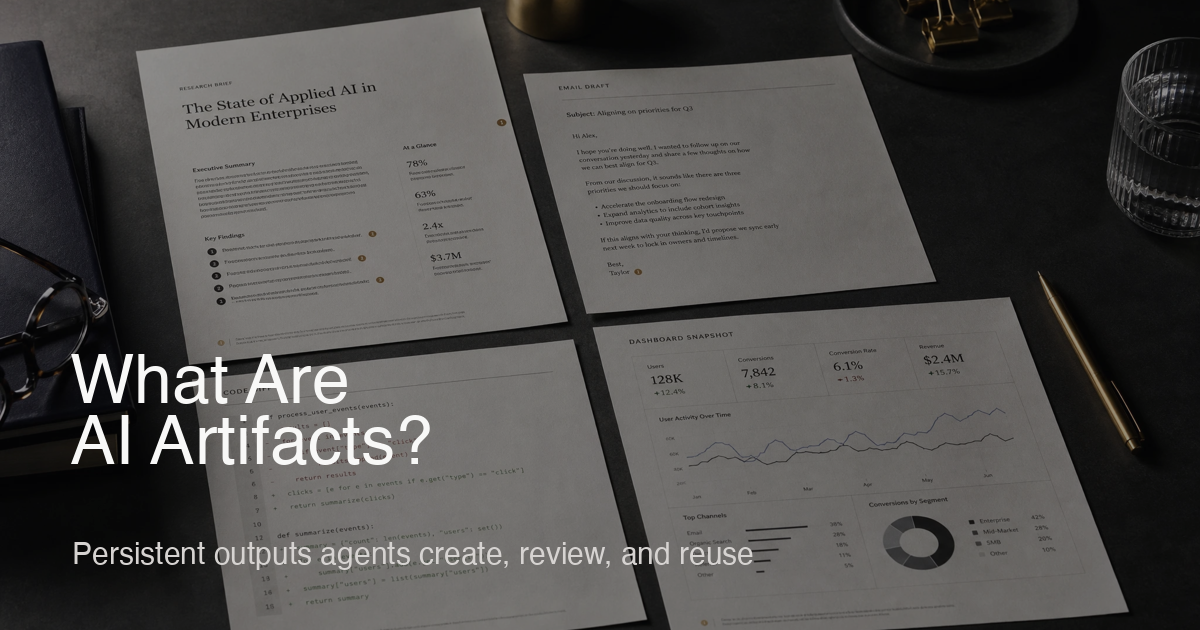
- Artifact handoff. Agents exchange artifacts (drafts, datasets, plans) rather than raw chat text, preserving structure and provenance.

Architecture Building Blocks
Orchestrator. Assigns tasks, manages state, resolves conflicts, and decides when to stop or escalate to a human.
Shared memory. Vector stores, timelines, and artifact registries hold intermediate results so agents can build on each other rather than re-fetching context.
Policy and permissions. Each agent has scoped tool access and data permissions; the orchestrator enforces these boundaries to avoid leakage.
Communication fabric. Messages include both content and schema (intent, required inputs, expected outputs) to reduce ambiguity.
Evaluation loops. Checkpoints, self-critique, or judge agents catch hallucinations and enforce quality before shipping.
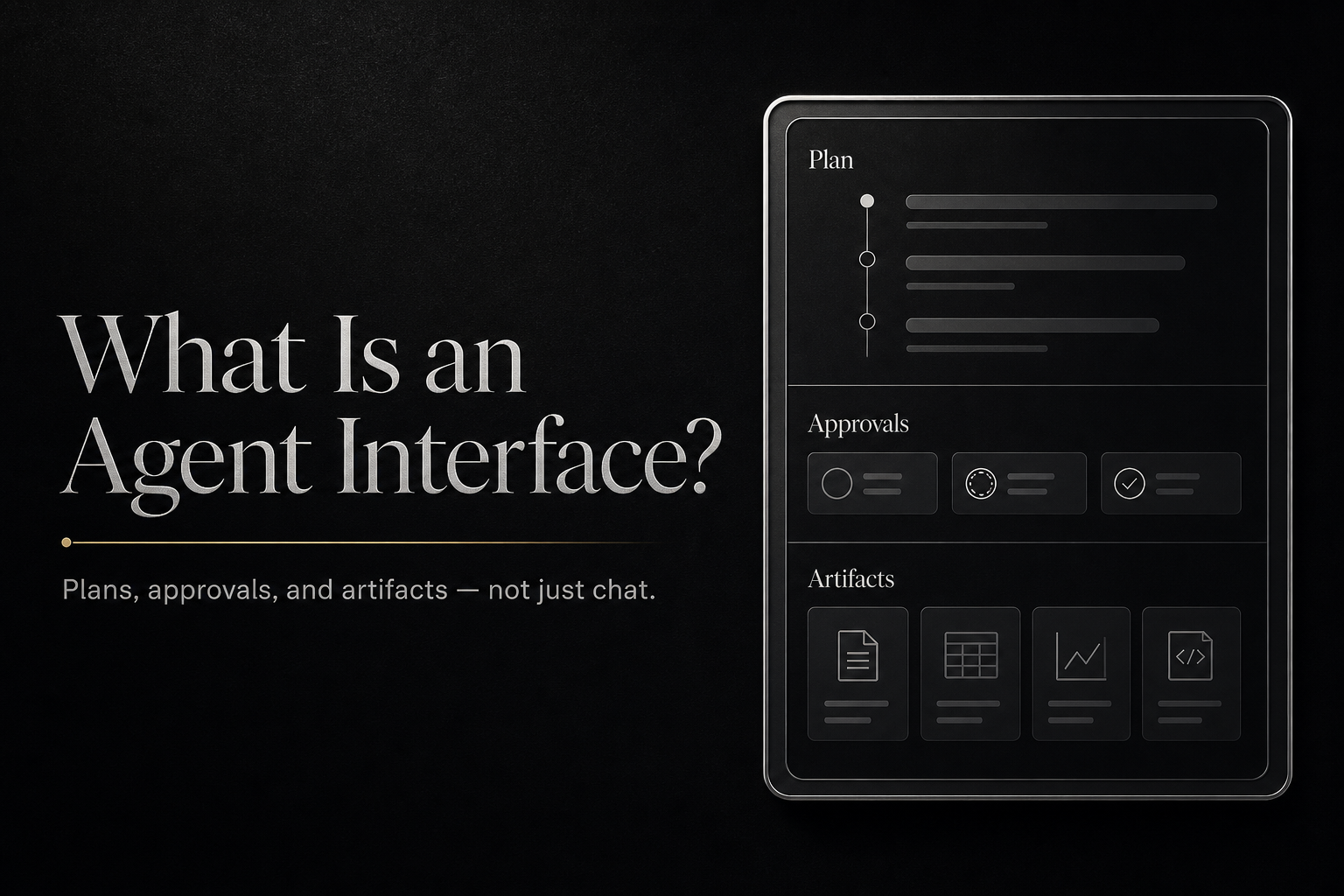
A good MAS usually sits on top of an agent OS and becomes legible through an agent interface. Without those layers, collaboration collapses back into opaque prompts and transcript archaeology.
Multi-Agent System vs Monolithic Assistant
| Dimension | Monolithic Assistant | Multi-Agent System |
|---|---|---|
| Skill model | One generalist prompt | Specialized agents with roles |
| Execution | Mostly sequential | Parallel + pipelined |
| Context handling | Single context window | Distributed context with shared memory |
| Accountability | One opaque chain | Per-agent ownership and logs |
| Failure modes | Hallucination, stalls | Coordination bugs, but better local accuracy |
| Upgrade path | Re-prompt the one agent | Swap/extend individual roles |
Example: Research to Outreach
- Planner agent receives a brief: "Draft a personalized outreach to ACME's CTO about AI migration."
- Planner delegates:
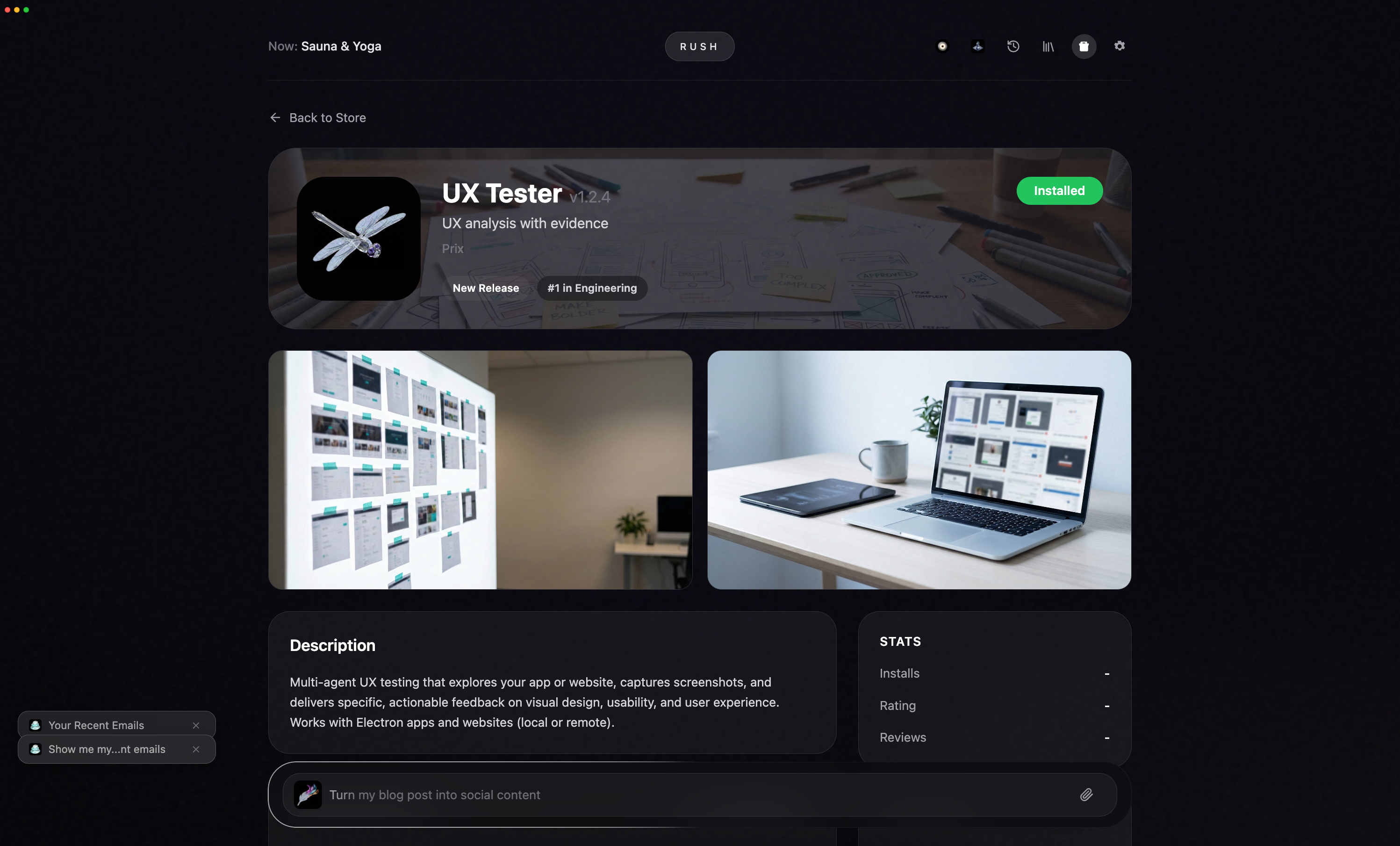
- Web-scraper agent gathers recent articles, press releases, and social posts.
- Analyst agent extracts pain points and technology stack from the sources.
- Writer agent drafts the email.
- Compliance agent checks claims and tone.
- Shared memory stores sources and extracted facts with citations.
- Writer agent drafts the email citing the facts; compliance agent flags unverifiable claims.
- Planner assembles the final artifact and asks for human approval before sending.
The result is faster and more precise than a single assistant guessing from a few prompts.
Coordination Challenges (and Solutions)
- Context fragmentation. Mitigate with shared memory and artifact handoffs, not by expanding every context window.
- Over-delegation. Keep a clear planner role to limit recursion depth and avoid infinite task splitting.
- Conflicting actions. Centralize permissions so only the orchestrator can approve high-impact actions (sends, commits, purchases).
- Quality drift. Insert evaluation checkpoints (judge agents, static rules) and compare artifacts before finalizing.
- Latency. Parallelize independent tasks and limit synchronous debates to decisions that affect safety or accuracy.
How Multi-Agent Fits in an Agent OS
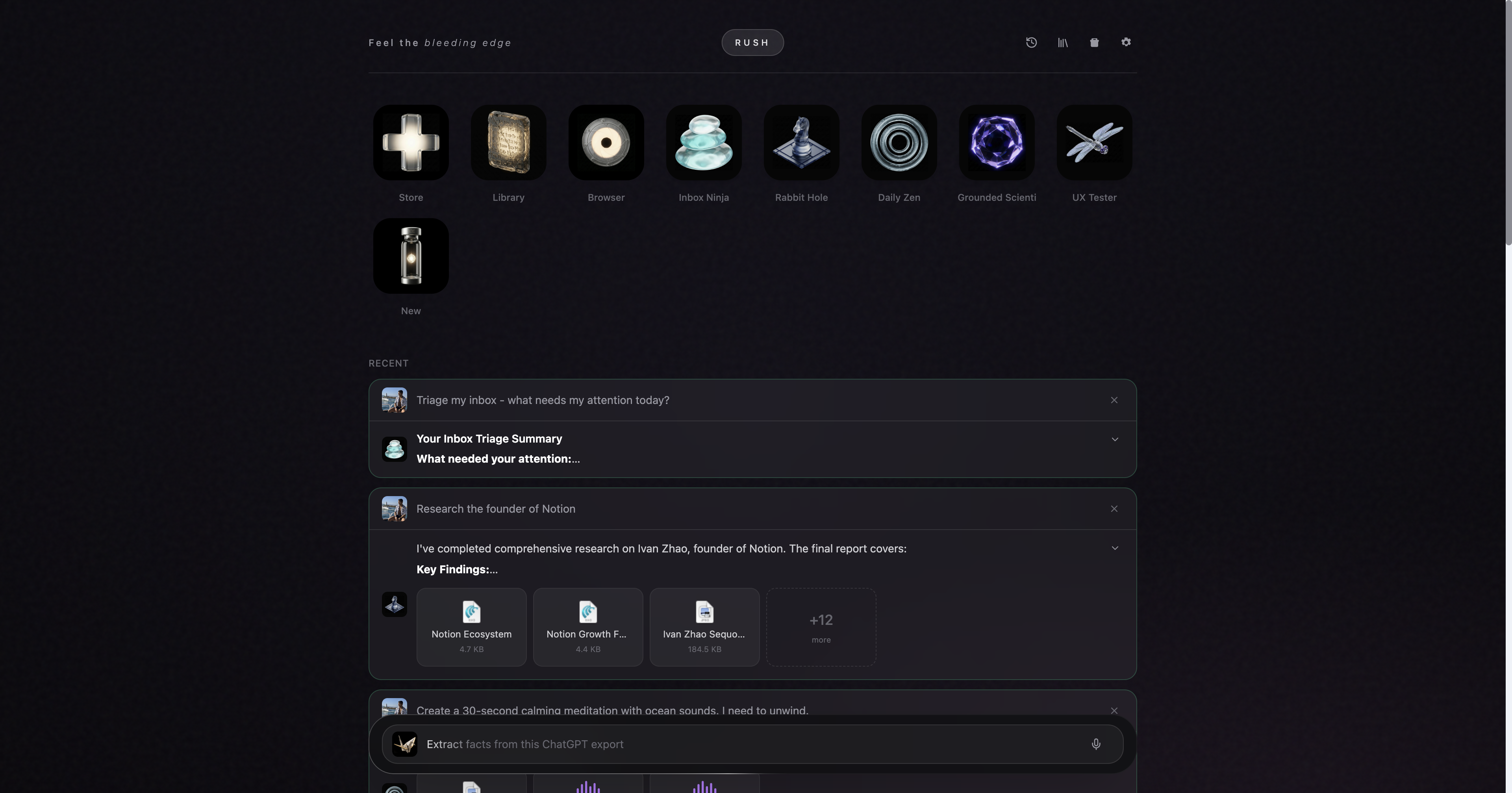
A MAS relies on an agent OS for runtime, memory, and permissions. The OS provides tool mediation, structured error codes, and artifact storage so agents can collaborate safely. Without it, coordination logic gets buried in prompts and fragile code. Rush, for example, uses an OS layer to let agents delegate, share artifacts, and request approvals in a governed environment.
Measuring MAS Effectiveness
- Task completion rate. Percentage of tasks finished with human-acceptable quality.
- Time-to-artifact. How long until the first usable artifact appears, not just the first token.
- Revision depth. Number of revisions required before approval—should decrease as specialization improves.
- Resource efficiency. Parallel speedups vs extra model/tool calls incurred by orchestration.
- Trust signals. Clear ownership, citations, and error codes that let humans audit decisions.
When to Use a Multi-Agent System
Choose MAS when tasks involve multiple domains, long-running workflows, or high stakes requiring checks and balances—such as research with compliance review, sales outreach at scale, or software changes needing tests and approvals. A single assistant is fine for quick Q&A; a MAS shines when the work resembles a team project.
The Future of MAS
As models gain longer context and better tool use, multi-agent patterns will shift from novelty to default. The winners will pair rigorous coordination (plans, approvals, structured memory) with smooth interfaces (see What Is an Agent Interface?) so humans can supervise without wading through transcripts. MAS turns AI from a solitary chatbot into a collaborative workforce.